Three years ago nobody would lend billions against GPUs. Now the paper is rated A3 and sits in insurance portfolios.
Wafer, an AI inference optimization startup, raised $40 million in Series A funding to automatically optimize AI workloads across multiple hardware accelerators and reduce inference costs.
Seven lessons from Matic's co-founder on their journey building robots that are actually deployed and loved in homes
Outer’s combination of a novel skin platform, data generation, and machine learning-guided discovery takes the guesswork out of finding new bioactives that dramatically improve skin health.
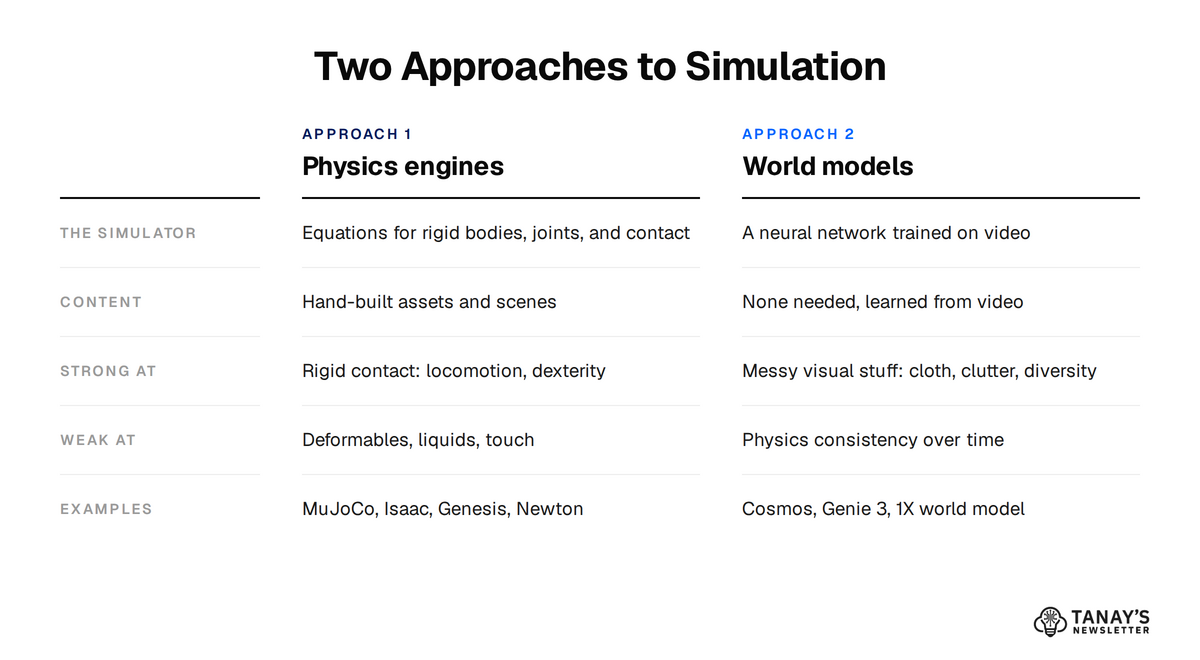
Physics-based simulation engines and neural network world models offer complementary approaches to generating synthetic training data at scale for robot learning, though both face sim-to-real gaps that startups are addressing through domain randomization, asset generation, and real-to-sim reconstruction technologies.
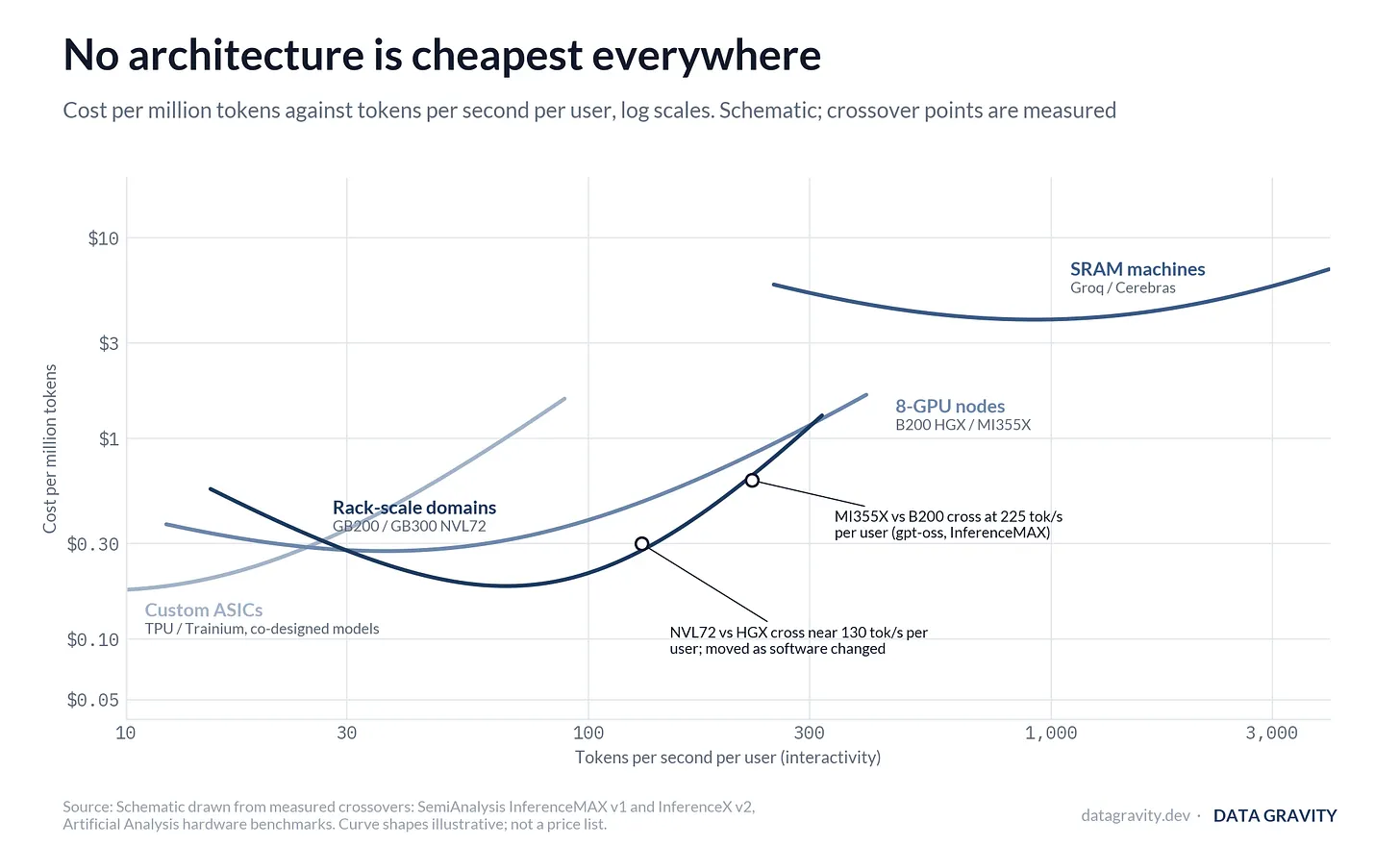
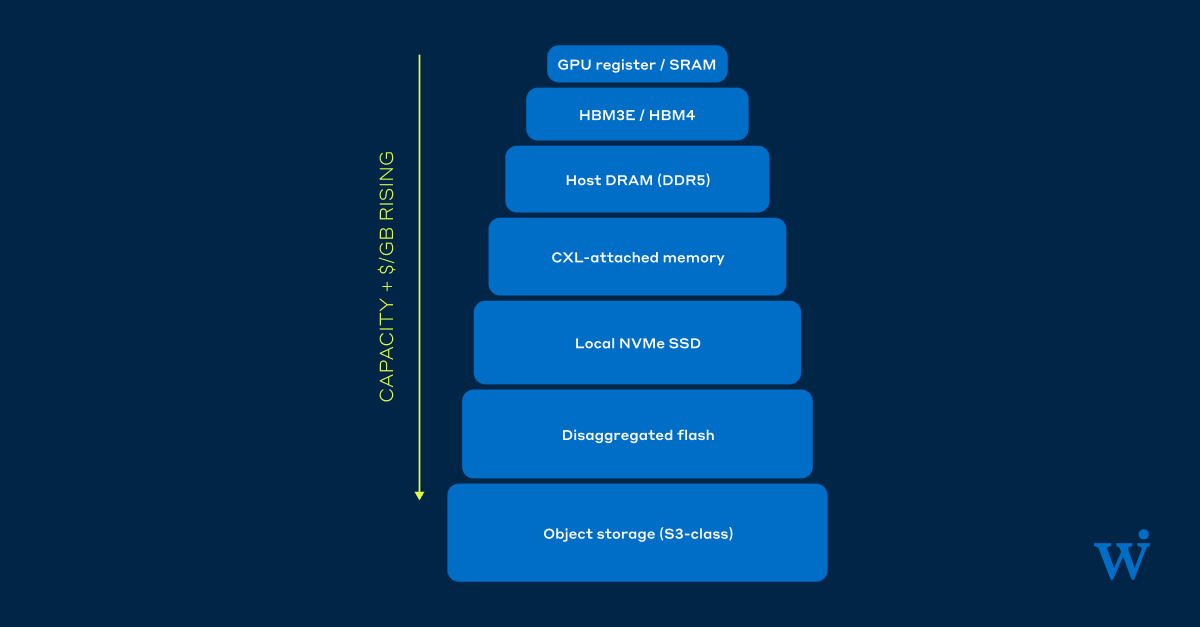
AI's memory problem isn't buying more HBM. It's managing a full hierarchy — GPU cache to cold storage — with a different winner at every tier.
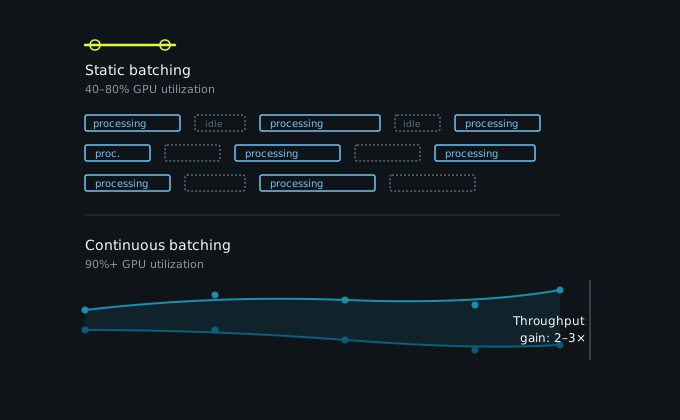
Inside the five scheduling, memory, and routing problems that turn GPU compute into output tokens — and why neoclouds keep buying the companies that solved them.
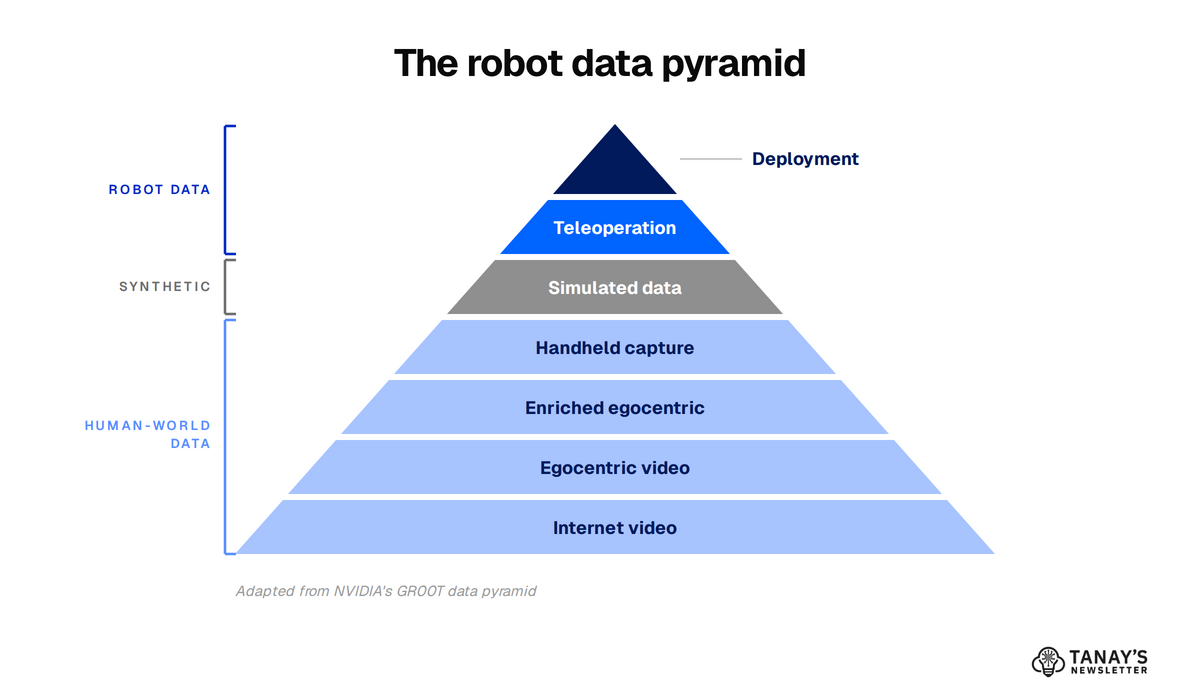
The robot data pyramid framework combines seven types of training data—from internet video and human demonstrations to simulation and real-world deployments—to address the critical data bottleneck limiting the development of physical AI and autonomous robotics systems.
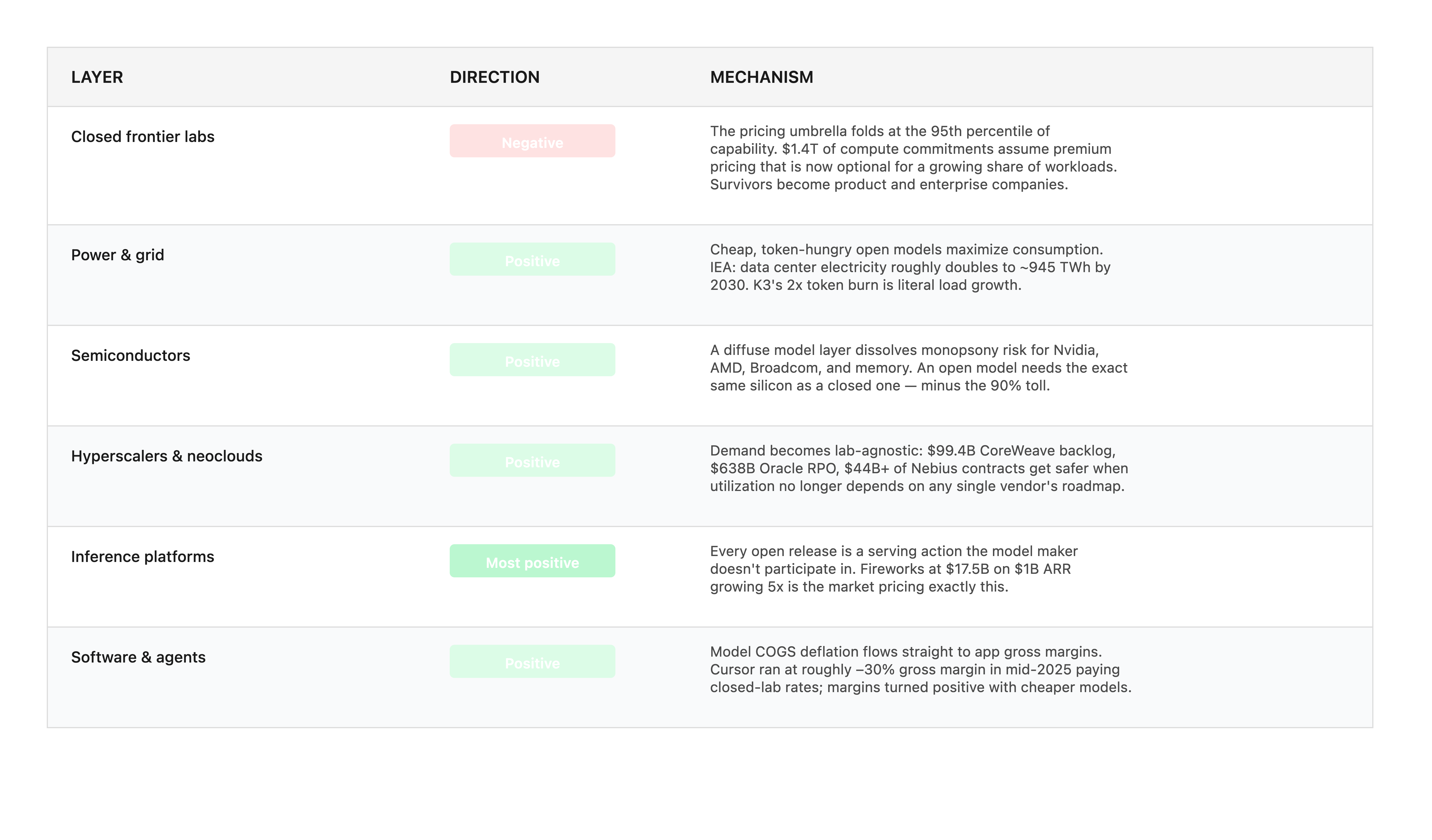
How Kimi K3's open-weight release is reshaping AI industry margins and benefiting compute infrastructure over model APIs.
Why we led Bespoke Labs' Series A — and why the training and verification layer is the most important real estate in the agentic stack.
On MCP, headless products, and where your value actually lives.
How Chinese AI labs and platforms like Qwen, DeepSeek, Kimi, ByteDance, and Alibaba came to dominate open models, work around compute constraints, and reshape the global AI landscape