Northstar raises a Wing-led seed round to build a Security Context Graph that gives security teams and AI agents accurate, repeatable answers.
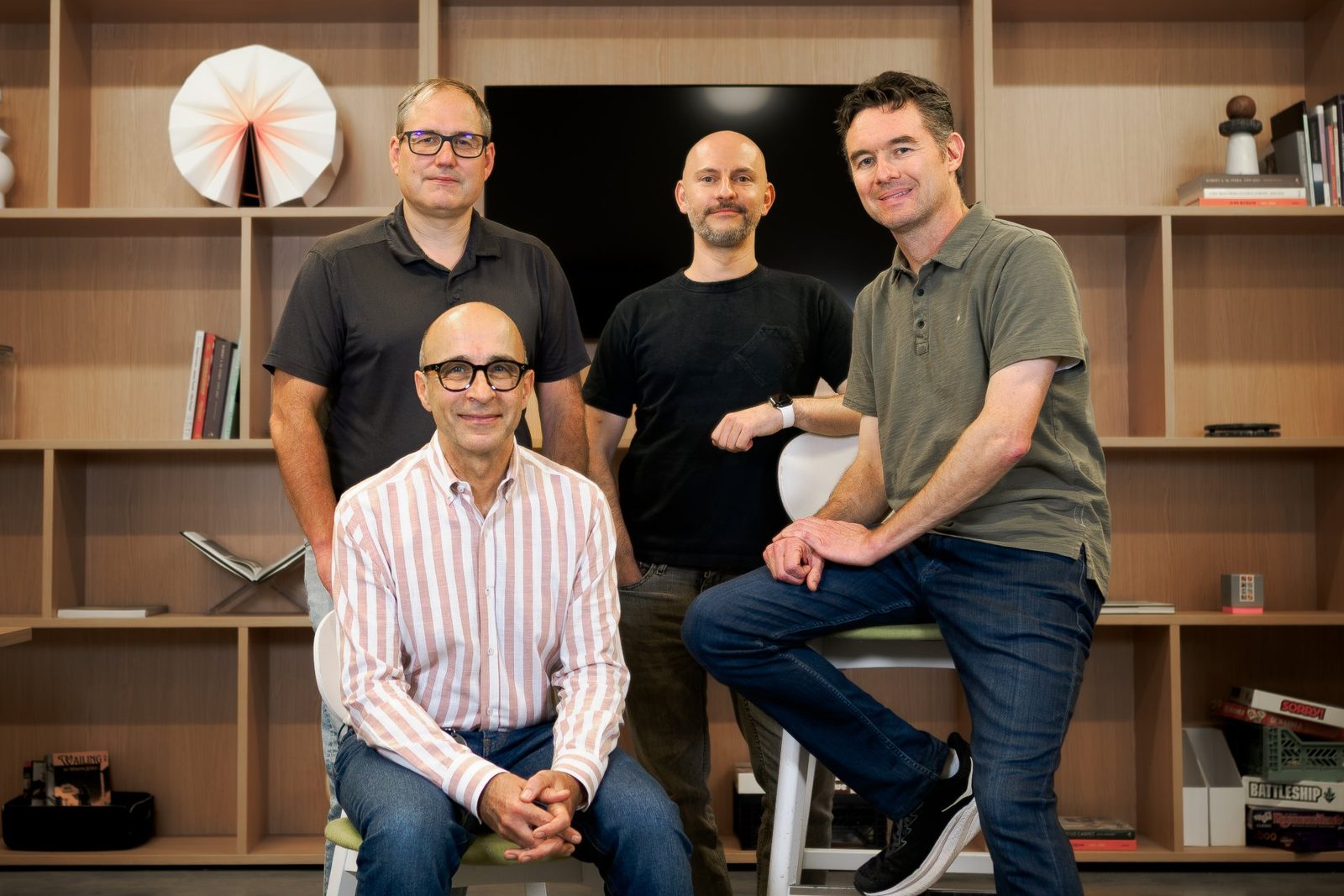
Wing VC names Tyson Mao, Tobiko Data co-founder and SQLMesh creator, as Head of AI to apply AI across sourcing and portfolio support.
Intel acquires Classiq, the Tel Aviv–based leader in quantum software that turns high-level designs into optimized quantum circuits, in a major step for the quantum ecosystem.
AI infrastructure debt is splitting in two: big tech-backed bonds face rising rates, while smaller borrowers face default risk. The gap is becoming a competitive advantage.
As more AI colleagues pop up across roles, we’re witnessing the emergence of the “agentic workforce”—specialized AI agents that slot into specific roles within a functional area or vertical, promising to give organizations more leverage in that area.
The AI-driven product landscape is evolving at breakneck speed, with leading SaaS and AI companies racing to innovate and outpace each other in a rapidly converging market.
The recent emergence of DeepSeek has sparked countless conversations about the future of AI, and the Wing team is no exception. Yesterday, the conversation in the office revolved around this topic dominating the zeitgeist. As our founding partner Peter Wagner started, “Let’s look down the road. What are the implications?”
The implications of AI agents replacing junior-level tasks traditionally performed by entry-level associates are profound and far-reaching. Let's look a bit deeper.
If you’re a startup founder or builder looking to harness AI and build agents in other domains, here are five lessons from coding’s success—each describing how coding benefits, how you can apply it, and an example in various verticals.
Cyber threats are evolving faster than ever, and organizations need to be both vigilant and similarly adaptive to the changing landscape.
Wing held its 2nd annual invite-only summit for 300 chief-level officers in healthcare and biotech. The event featured discussions led by prominent executives from companies like Genentech, OpenAI, Google, Eli Lilly, and others.
Let's look at five key themes for 2025 in AI and technology: rapid reasoning advancements through test-time compute, emergence of practical multimodal AI applications, AI agents functioning as autonomous workers, increased industry consolidation, and a more open IPO window.