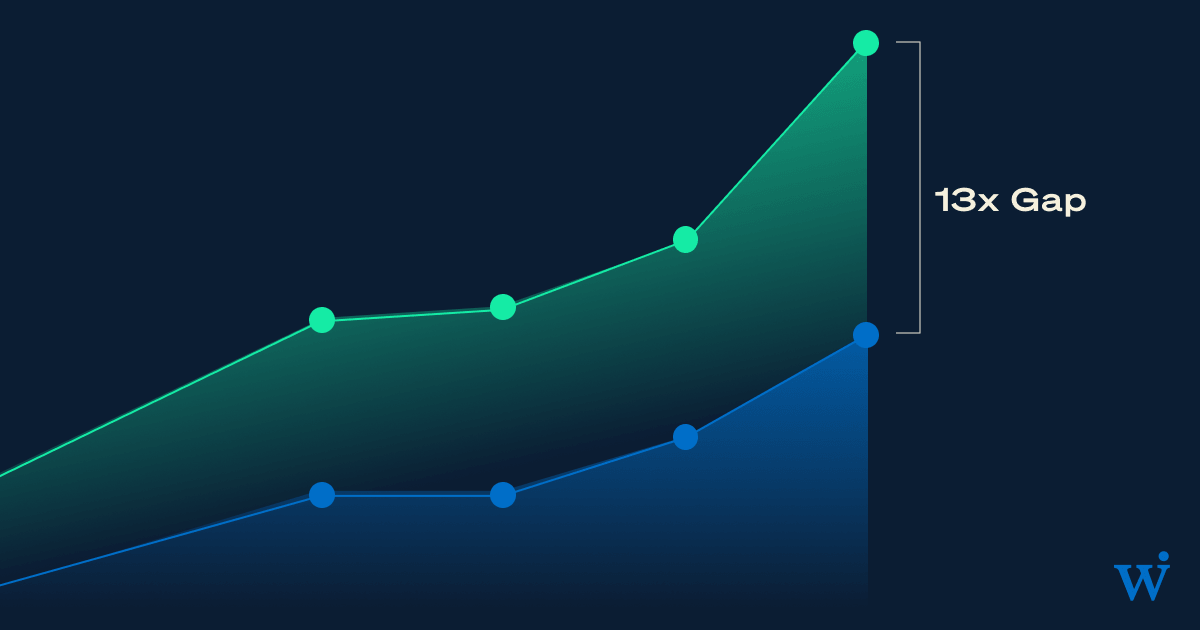
GPU depreciation at hyperscalers isn't about hardware lifespan—it's about accounting timing: chips earn half their lifetime cash in two years but are depreciated evenly over six.
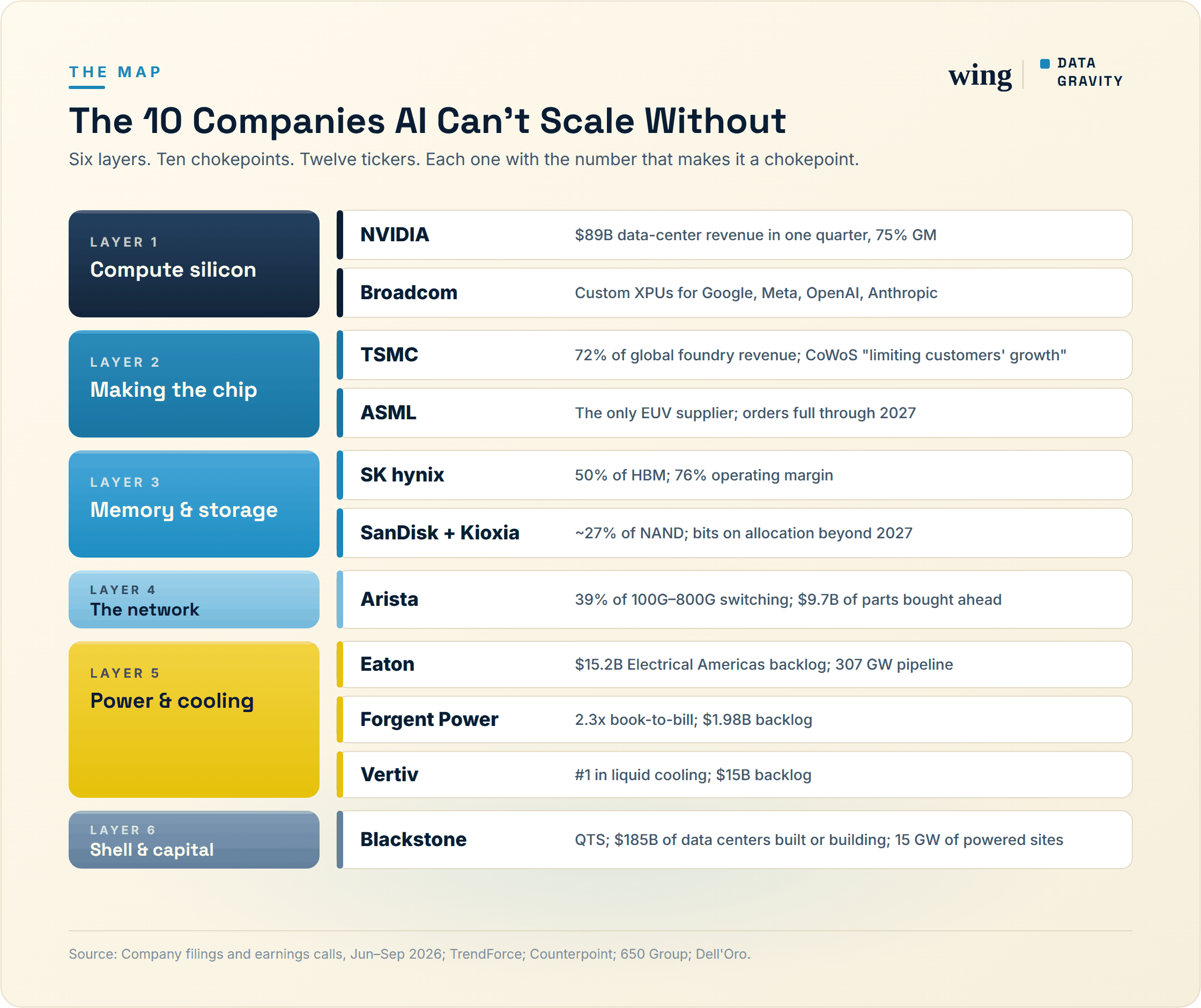
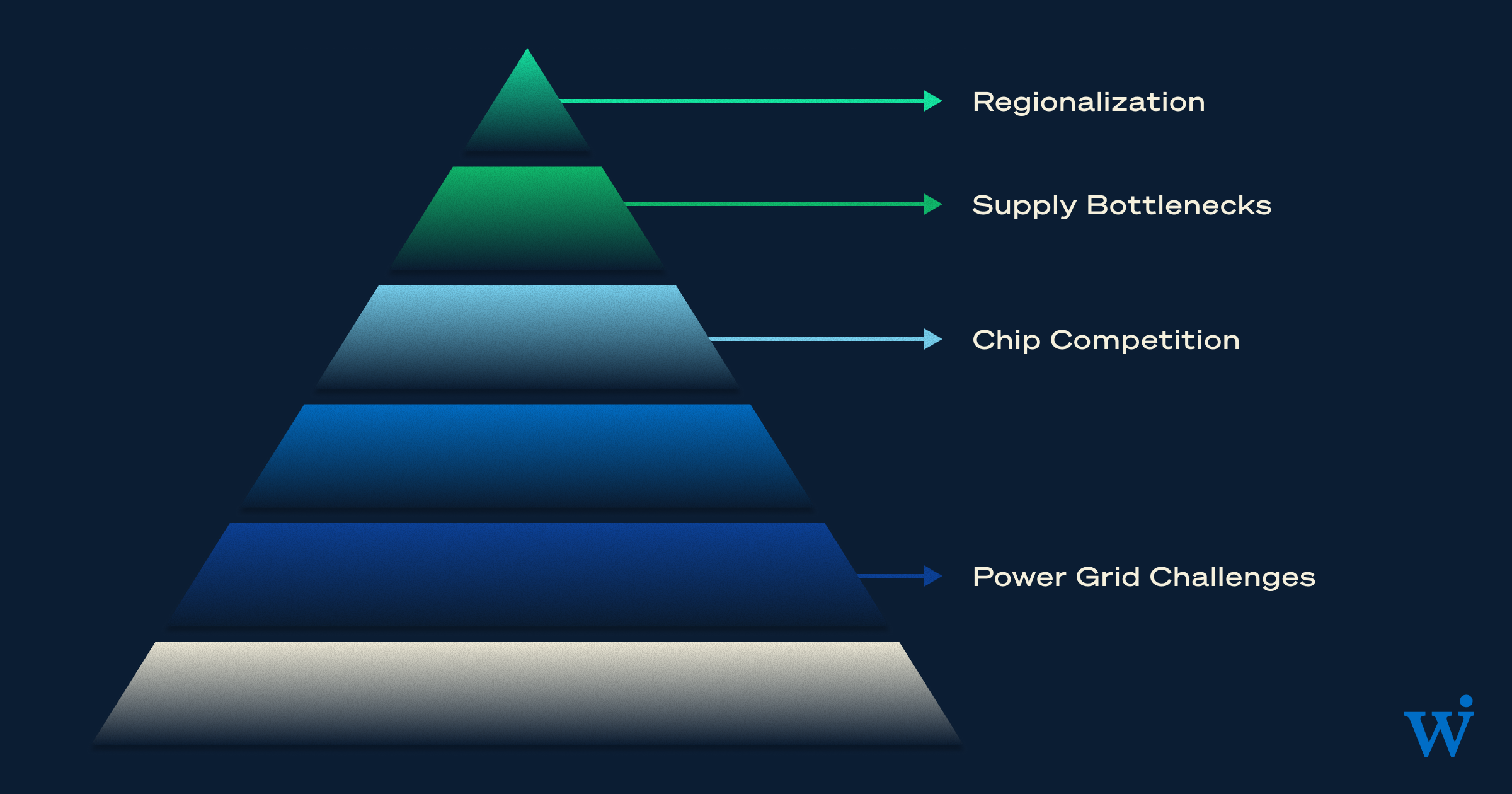
As AI infrastructure scales past GPU constraints, supply chain bottlenecks are shifting to memory, power equipment, and data center land—creating 2027-2028 pricing opportunities the market hasn't yet valued.
Three years ago nobody would lend billions against GPUs. Now the paper is rated A3 and sits in insurance portfolios.
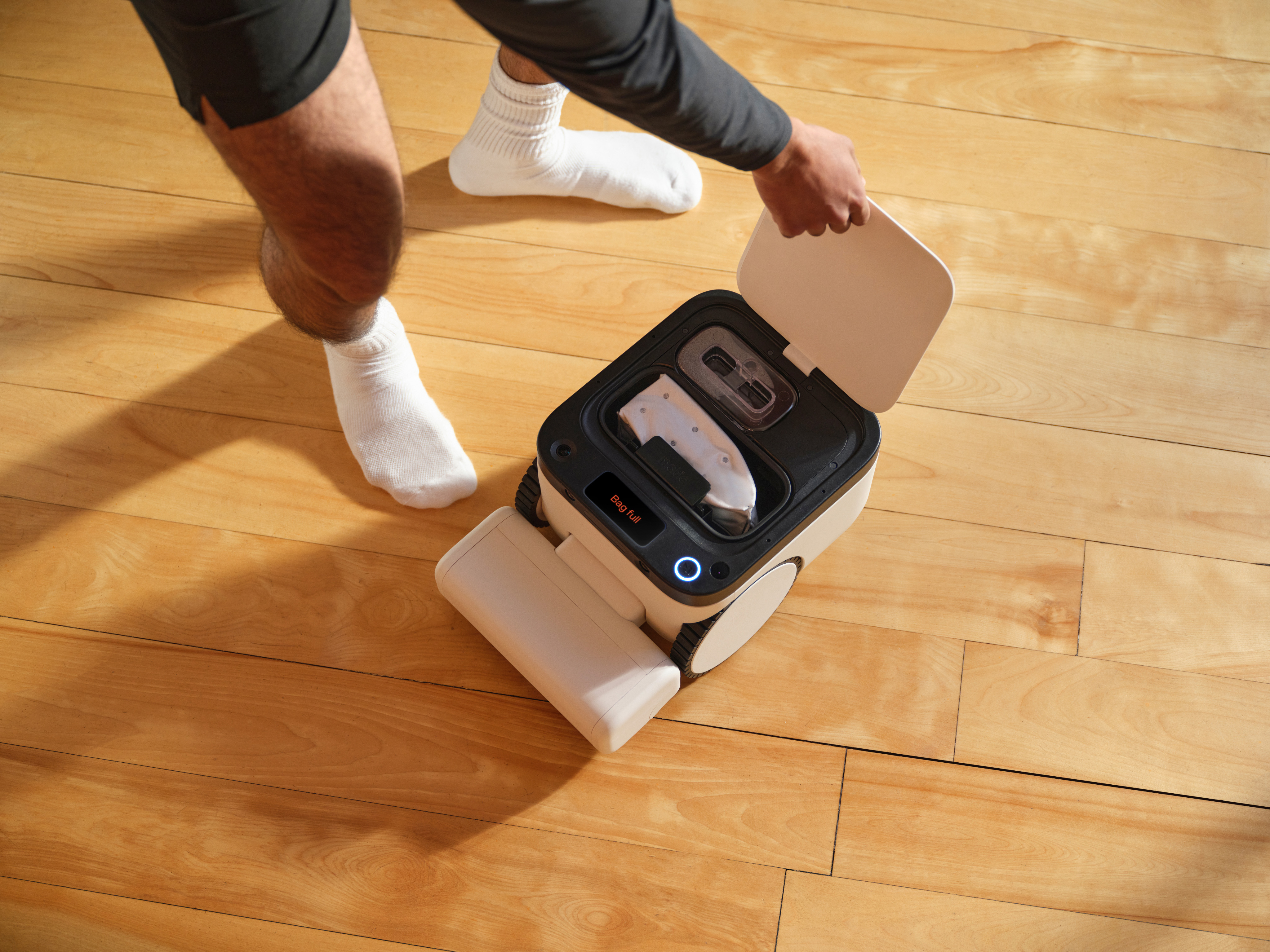
Seven lessons from Matic's co-founder on their journey building robots that are actually deployed and loved in homes
Wing leads Human Archive's $8.2M seed round. The startup is building the foundational multimodal dataset for physical AI and robotics training at scale.
Wing backs Dust AI on its $40M Series B. Why enterprise AI agents need a multiplayer platform — and why Dust's team is built to deliver it.
How SK Hynix, Samsung, and Micron became AI's most concentrated control point — and why HBM is >50% COGs of every Nvidia GPU sold.
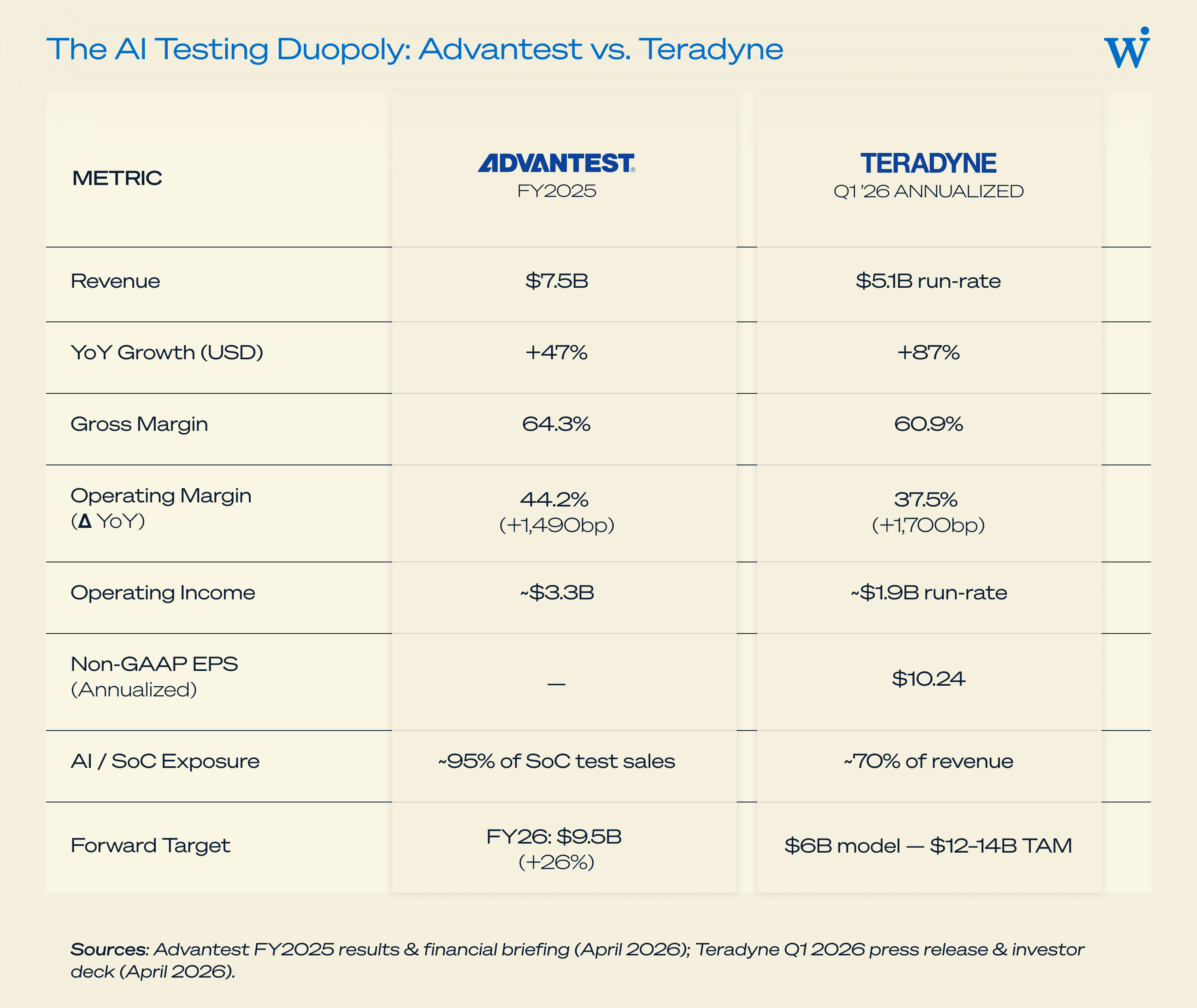
Why AI accelerator test time has grown an order of magnitude, and how Advantest and Teradyne are turning a physics problem into a margin story.
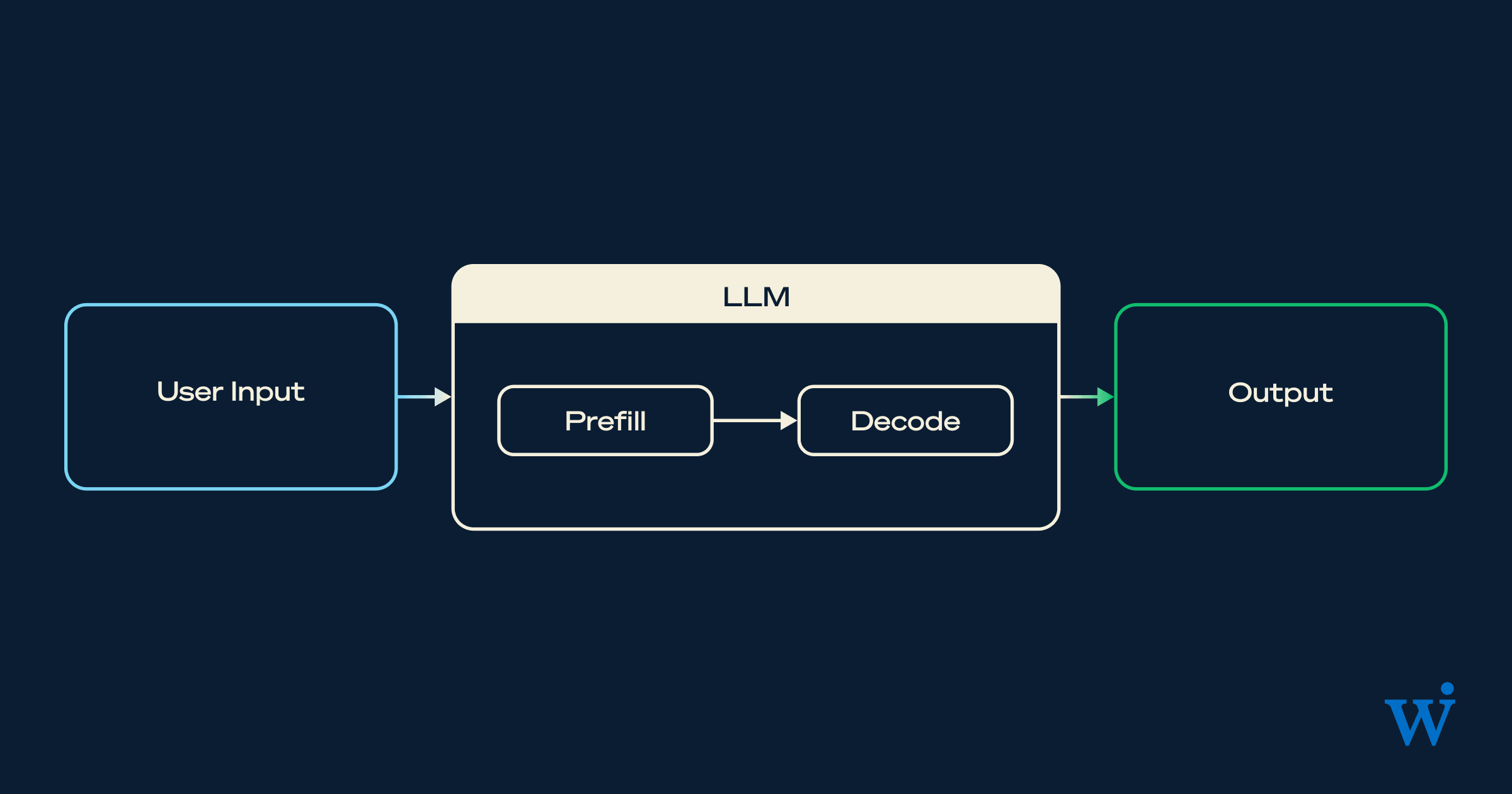
Prefill and decode are two different workloads trapped on one GPU. Nvidia/Groq and Cerebras/AWS are unbundling them — here's what the split means for inference economics.
Recognition honors leadership and contributions to the venture capital ecosystem
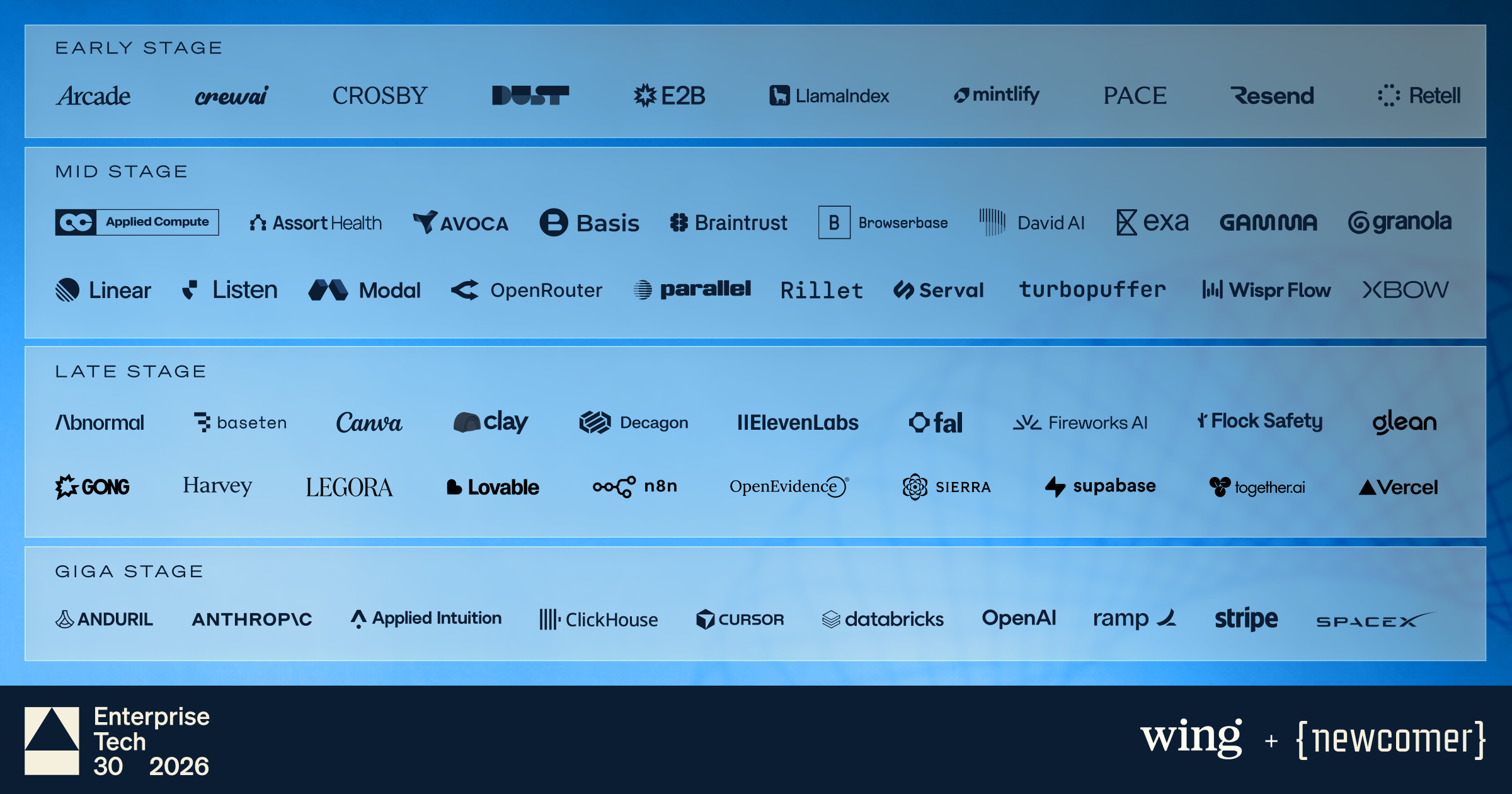
From the rise of the agentic developer to the explosion of AI agents, this year's ET30 captures the biggest shifts in enterprise technology.
Compute supply is set by the whole system, not any single component—where bottlenecks in power, packaging, memory, and networking dictate who captures value.
.jpg)